News

Latest news48

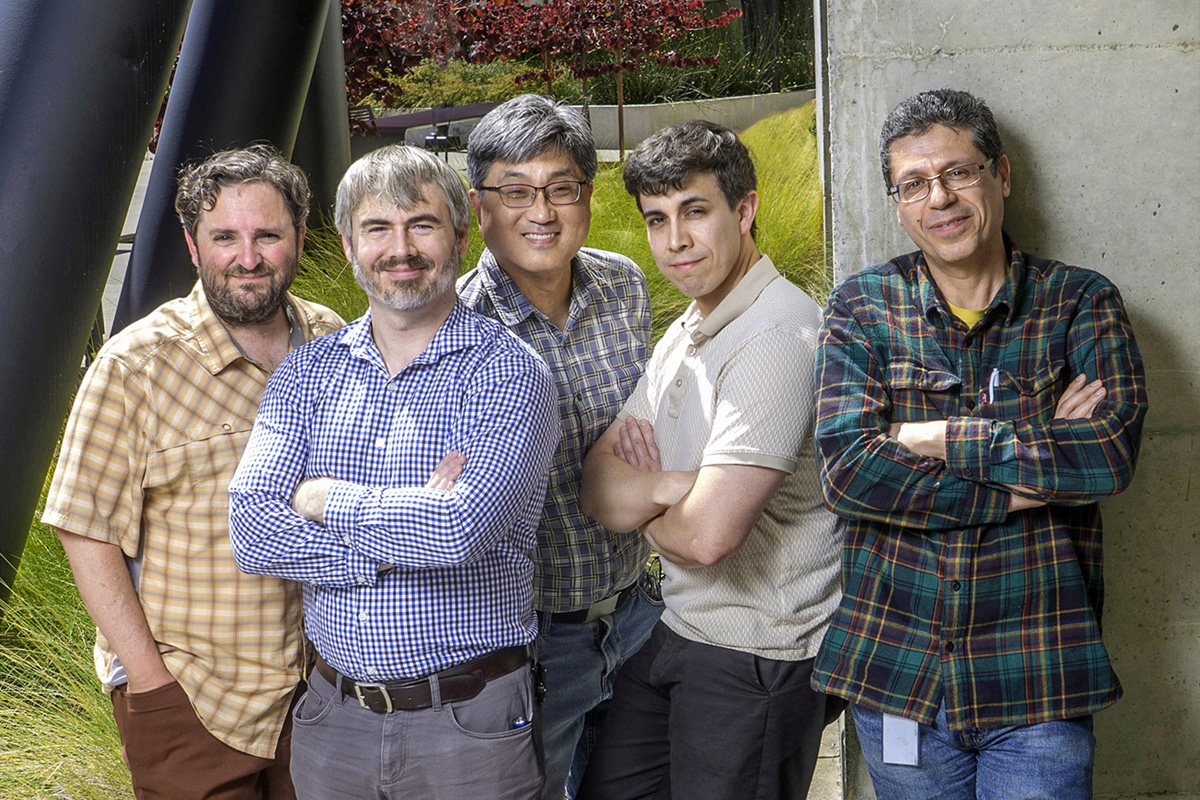
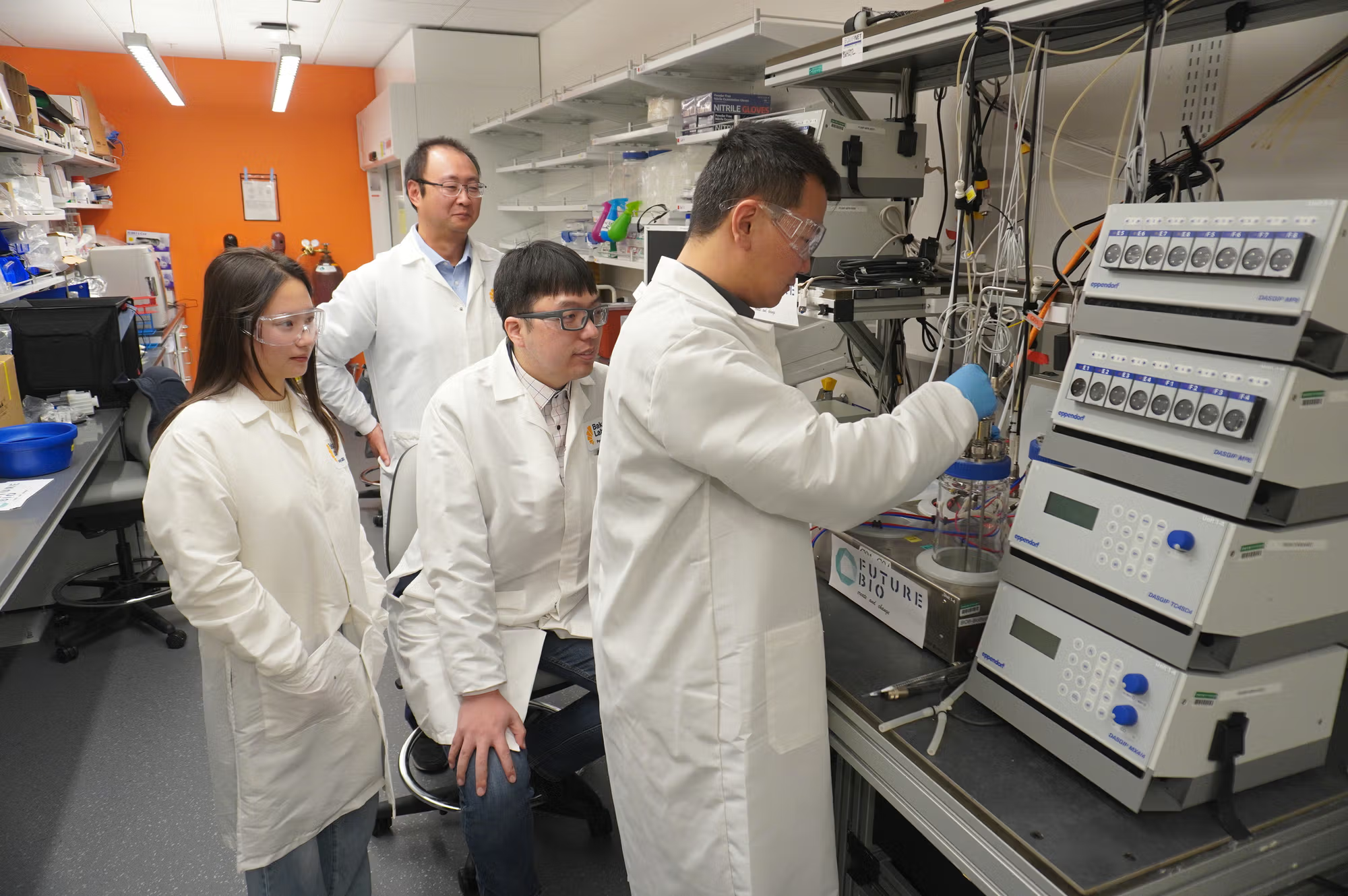
The Gigacrop team. L-R: Senior Scientist Michael Dougherty, CEO Chris Eiben, Head of Protein Engineering Juhan Kim, Associate Scientist Victor Vela, Scientist II Rahman Pour. Photo by Jim Block.

GigaCrop’s Chris Eiben wants to improve photosynthesis. Here’s how he’s doing it.

“The thing holding plants back today is the enzyme Rubisco,” Eiben says. “It’s the first enzyme a plant uses to take CO2 and start turning it into a sugar. But the enzyme is slow, and it has a tendency to use oxygen instead of CO2 . Which is incredibly costly for the plant to fix. I don't have a clever way to make Rubisco better; land plants have been trying to improve it for 450 million years, which is a long time. Doing better than that is tough. So GigaCrop is inserting a parallel photosynthesis pathway into plants. “If a plant were an airplane, what we are doing is installing a more efficient engine. The trick is we have to do it while the airplane is flying. Plants must have a working engine at all times” he says. “Rubisco is part of a larger cycle called the Calvin-Benson cycle. Our pathway can exist next to the Calvin-Benson cycle, and they can both operate. But the plants will benefit because our pathway is faster and more energy efficient.” Read post

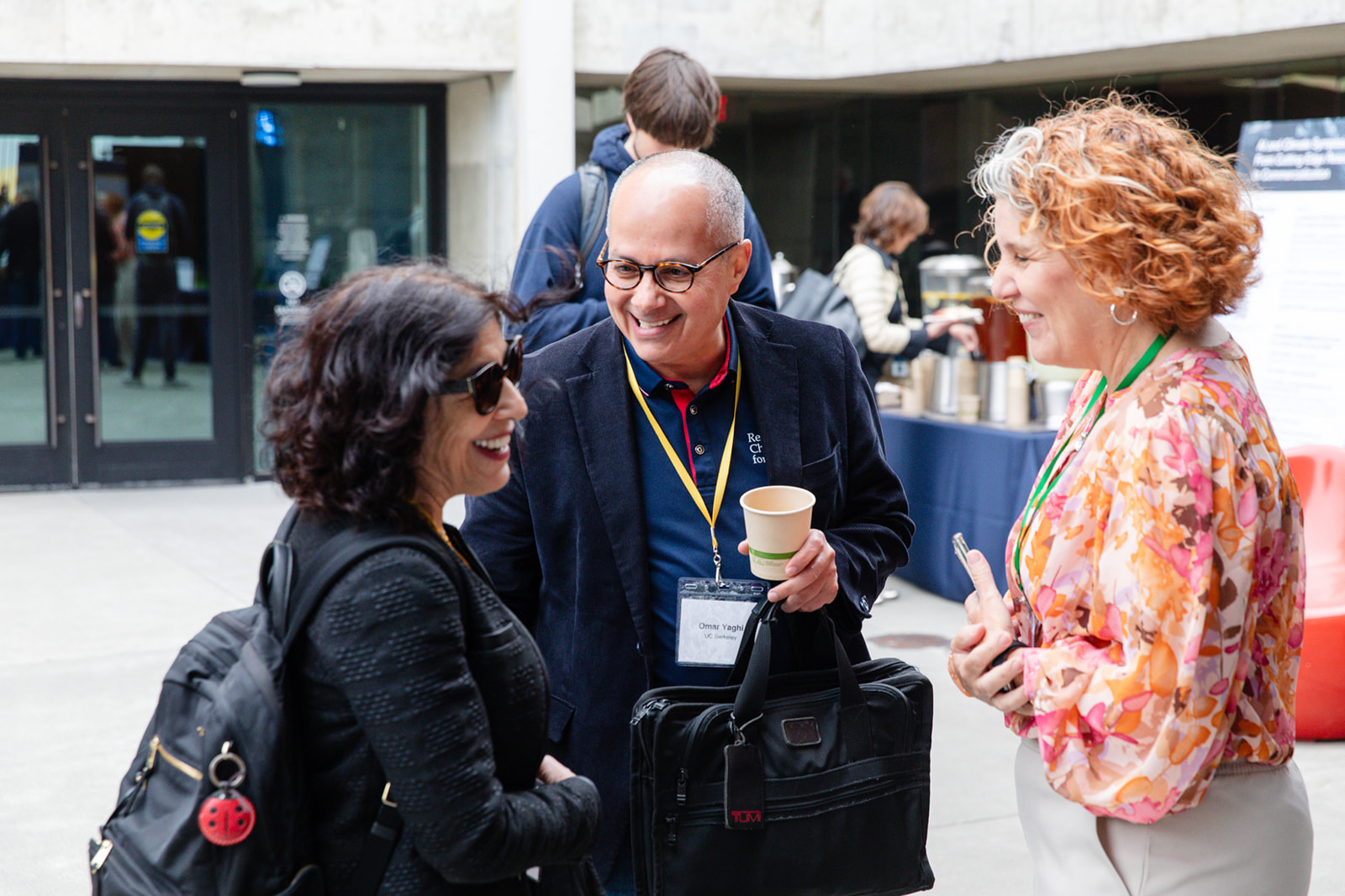
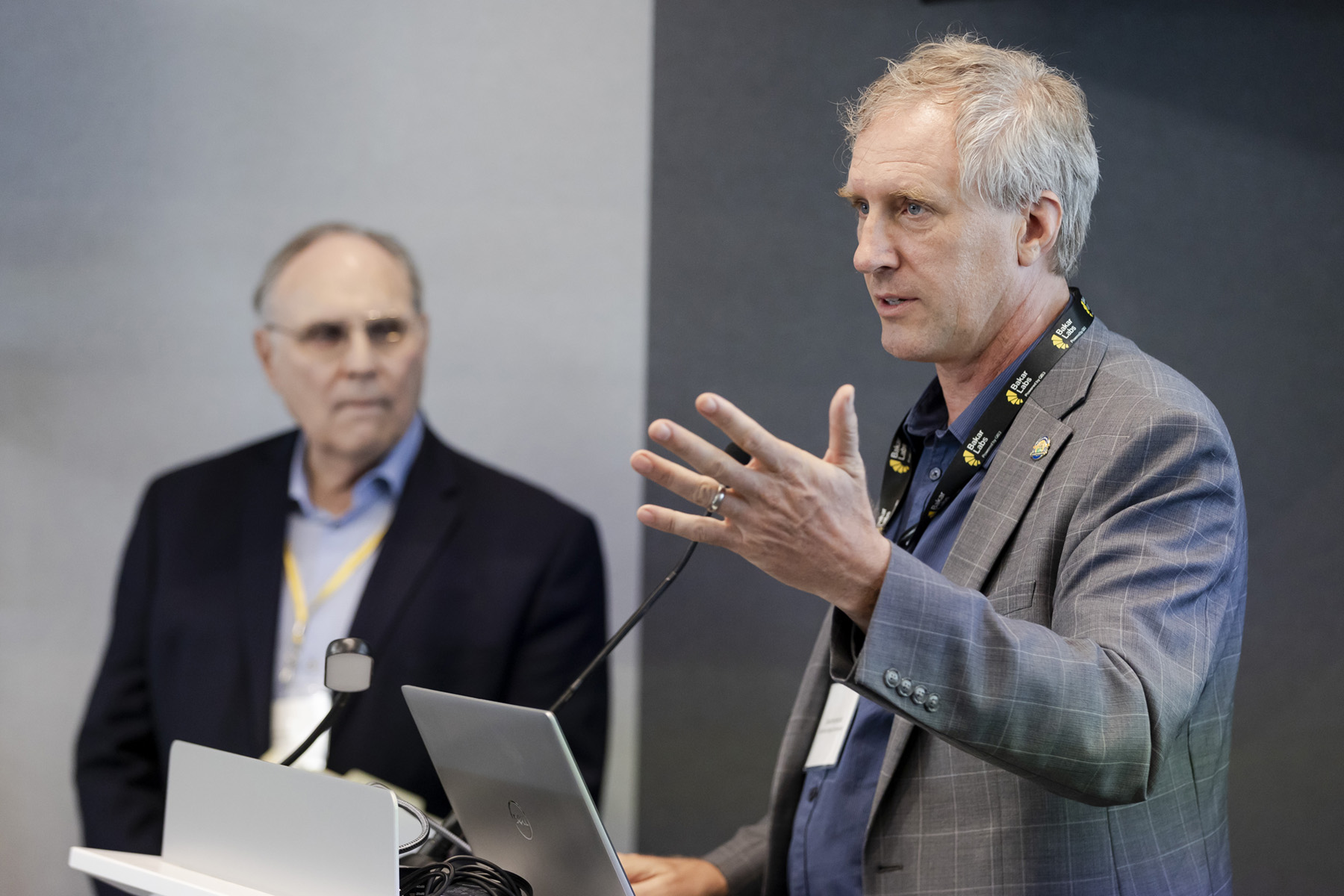
Recap: Symposium on AI and Climate Technology During SF Climate Week

Climate change is becoming more real with every season. We need to leverage as many tools as possible to solve this global challenge and mitigate the damage in the years to come. Artificial intelligence is a powerful tool that can advance the discovery, translation, and impact of technologies needed to combat climate change at the speed we need. That’s why this past Wednesday and Thursday (April 23-24, 2025), during SF Climate Week, Bakar Climate Labs partnered with UC Berkeley’s Bakar Institute of Digital Materials for the Planet (BIDMaP) to hold the inaugural “AI and Climate Symposium,” with the important subtitle “From Cutting-Edge Research to Commercialization.” Our goals were to highlight opportunities for AI to advance the discovery and ultimate translation of climate technologies – and to connect researchers, founders, and investors across both AI and climate tech. Read post