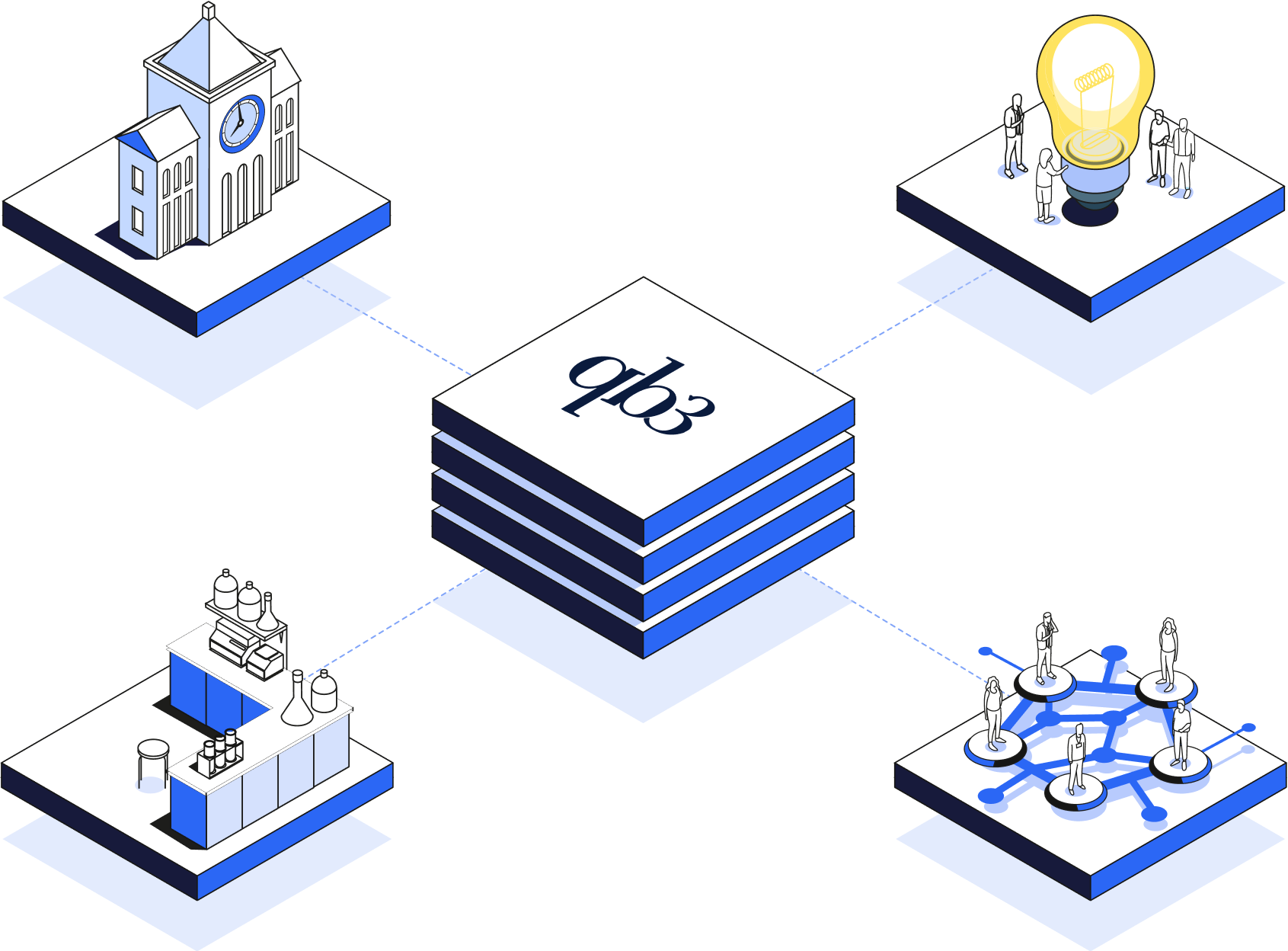
Homepage

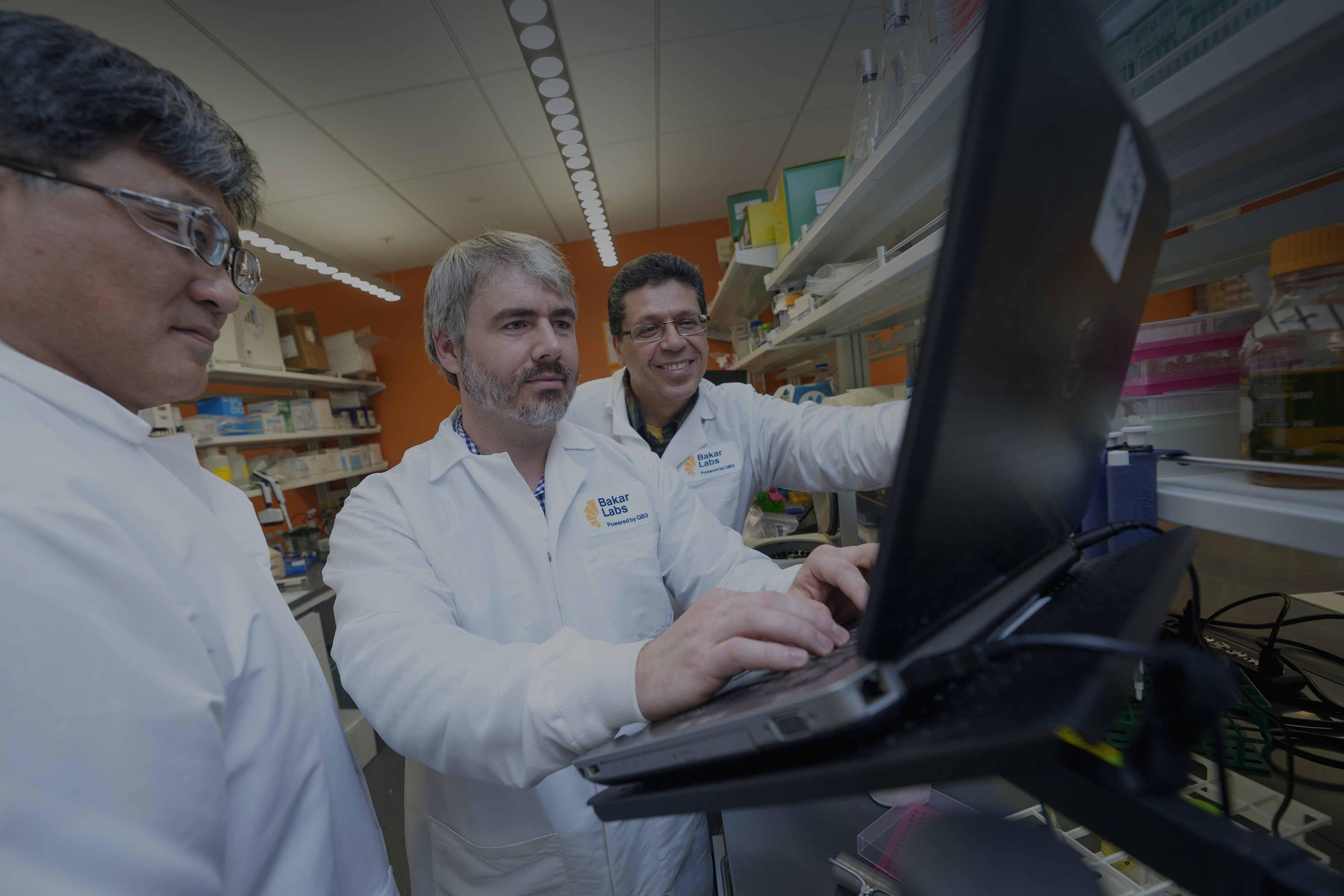

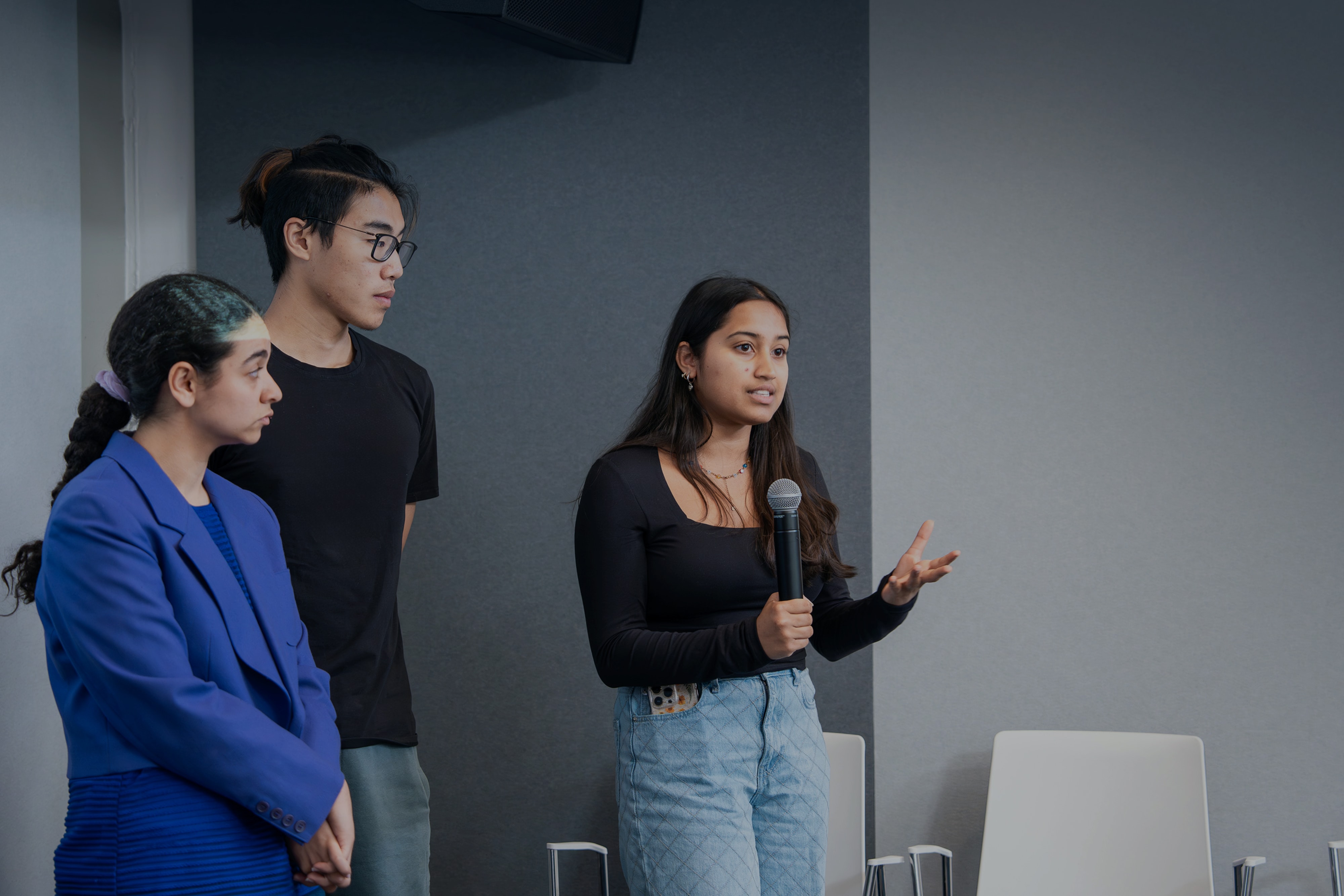





Everything that you need, all in one location.
Startups need to focus on making milestones, not managing equipment.
Our mission is to support you in the creation of groundbreaking solutions for our planet. We foster innovation rooted in sustainability, working with visionary thinkers to build a thriving future for all.
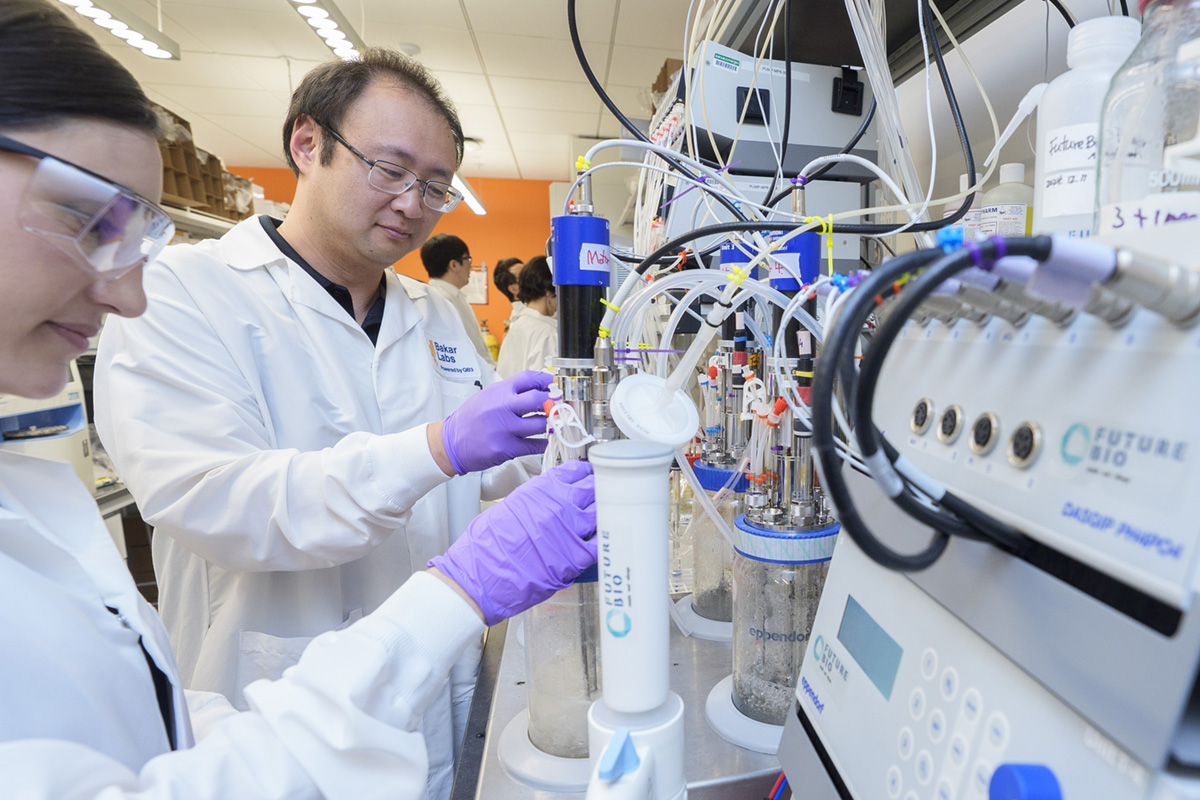
FutureBio co-founders publish Nature Biotechnology paper on enzymes engineered to produce recyclable plastics
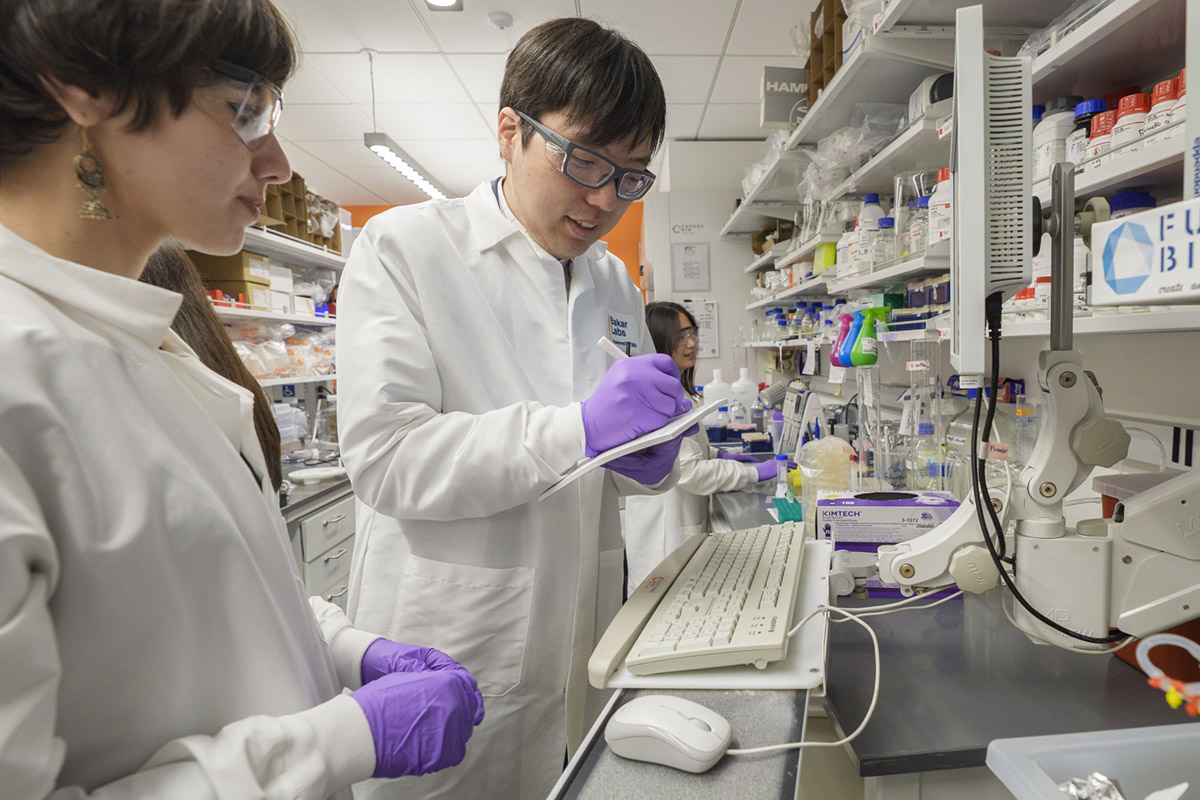
CEO Zilong Wang and CSO Seokjung Cheong are lead authors of a paper demonstrating how biology can help systematically expand the molecular design space for advanced, recyclable materials. Read post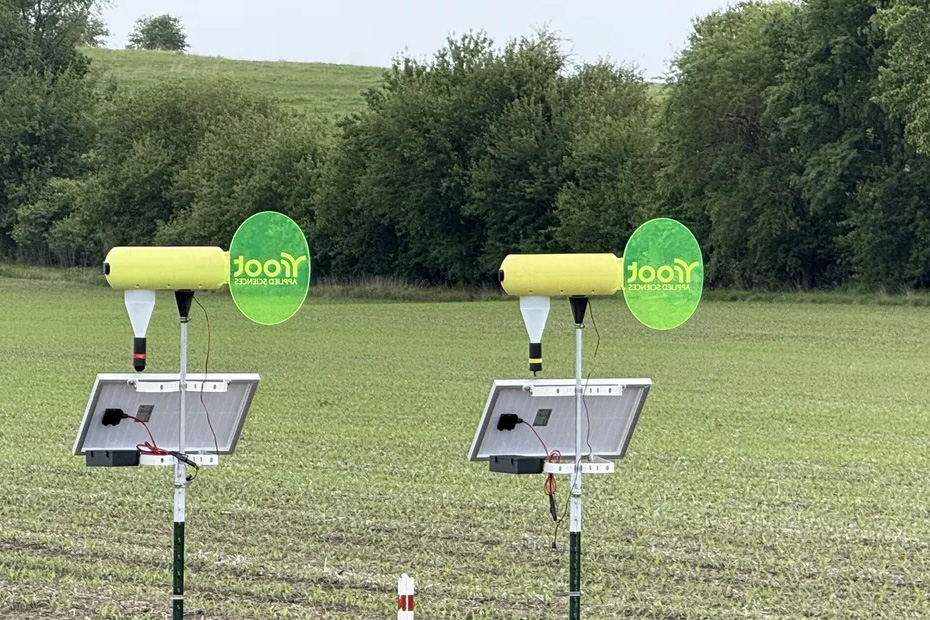
Spraying Fungicide to Protect the Crop in Minnesota
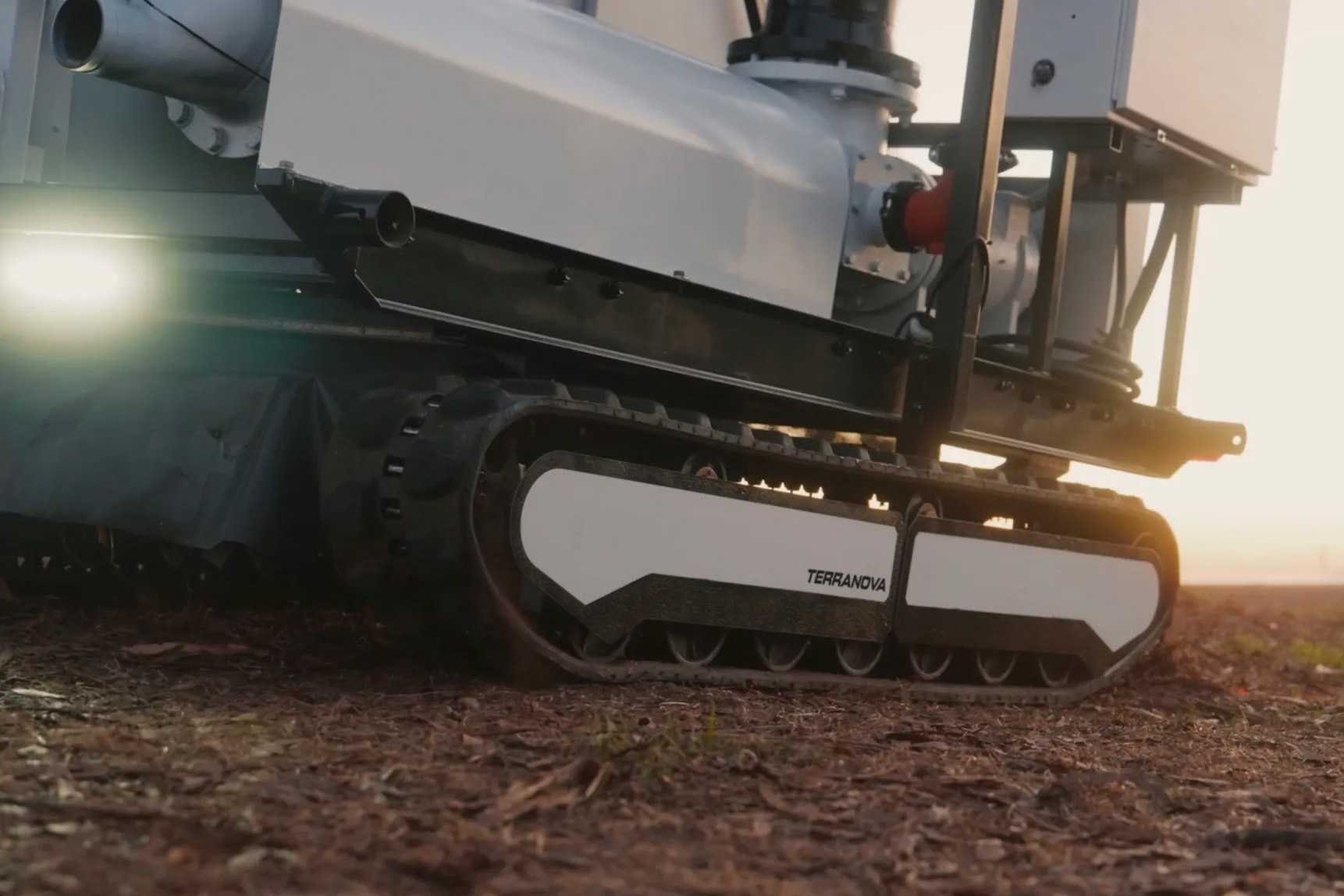
Root Applied Sciences has set up spore capture devices across the southern tier of Minnesota. The company developed its approach while pioneering detection and treatment for diseases that affect grapevines at vineyards. To protect their valuable produce, winemakers were spraying numerous times across a growing season. Root Applied Sciences developed a way of detecting and modeling infection that allowed those growers to cut their application in half. Read post Two Bakar Labs incubators anchor new Berkeley Innovation Zone
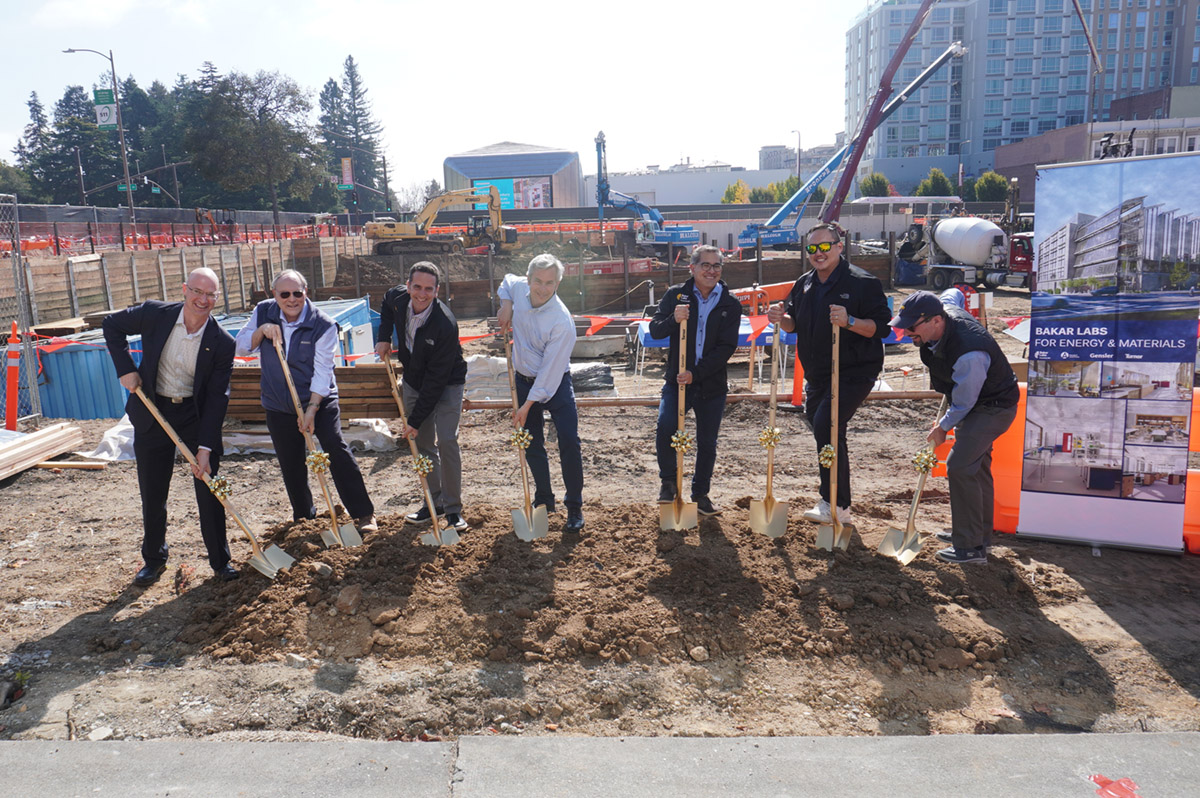
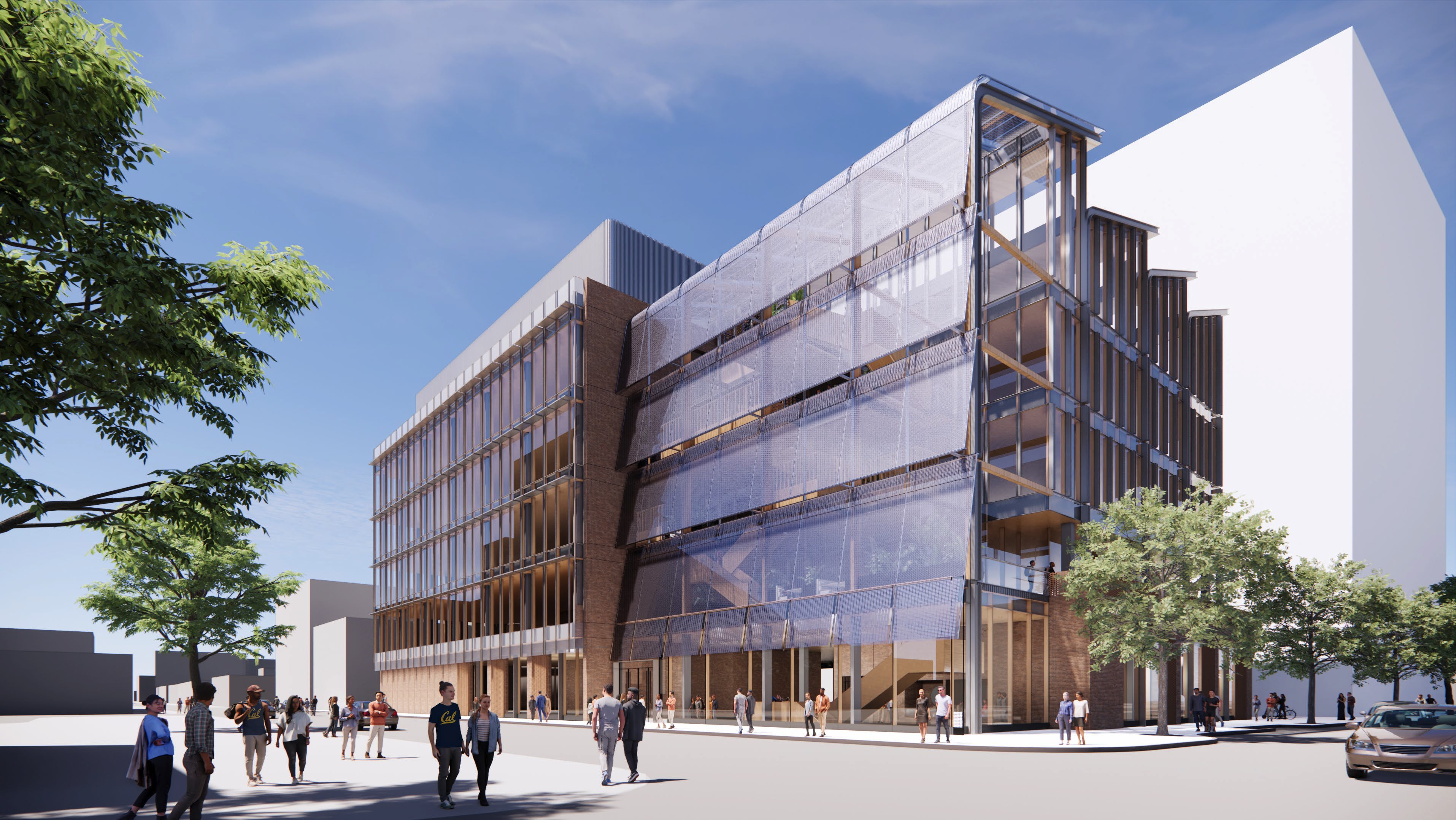
The Berkeley Innovation Zone on the west side of UC Berkeley — between campus and downtown — showcases how the City of Berkeley is working with the university to welcome and support entrepreneurs, in a cultural change that could ultimately bring in more revenue. BIZ includes two incubators currently under construction: IGI-Bakar Labs and Bakar Labs for Energy & Materials. Read post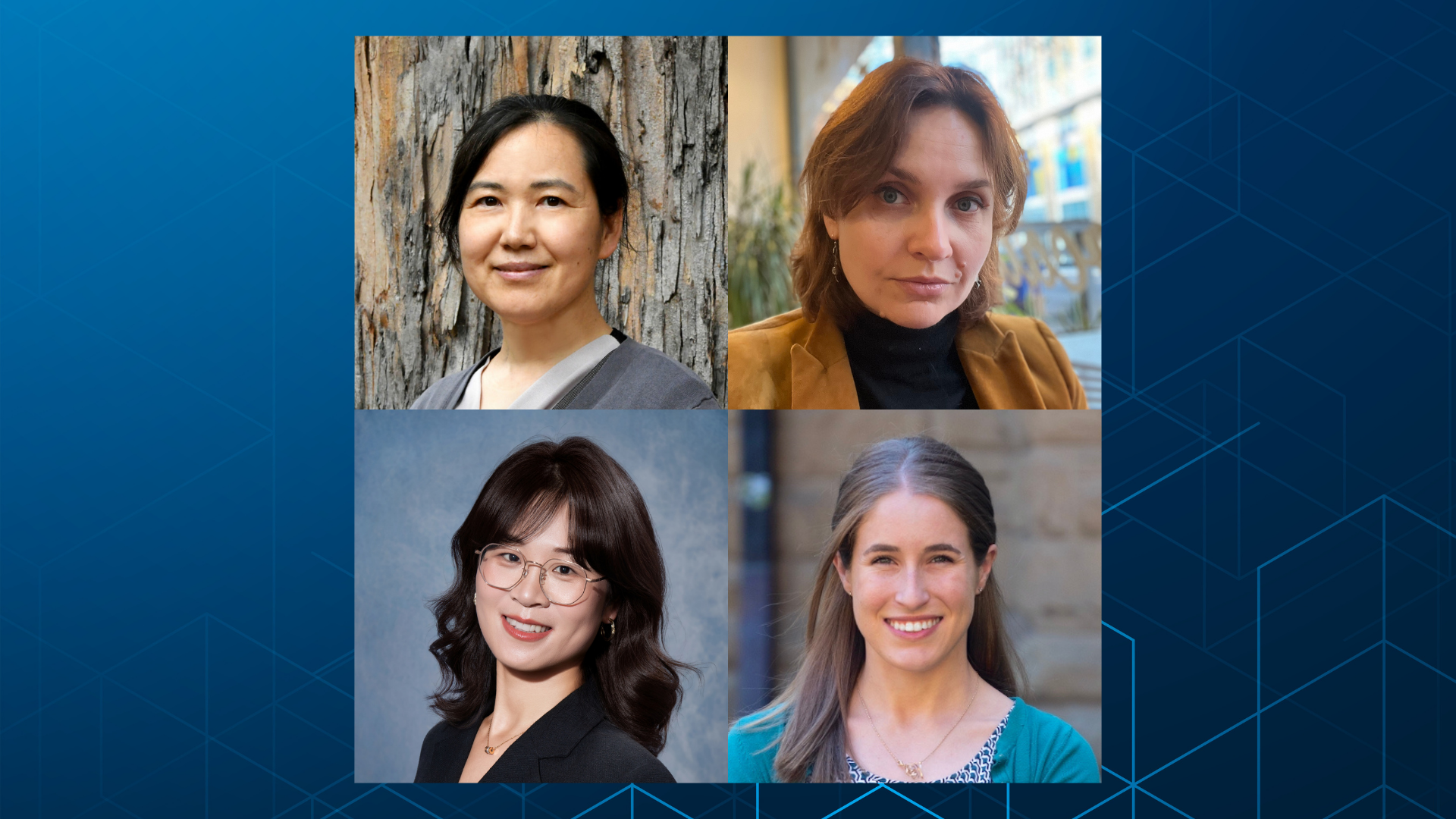
UC Berkeley announces two recipients of Berkeley Climate Action Proof-of-Concept Award
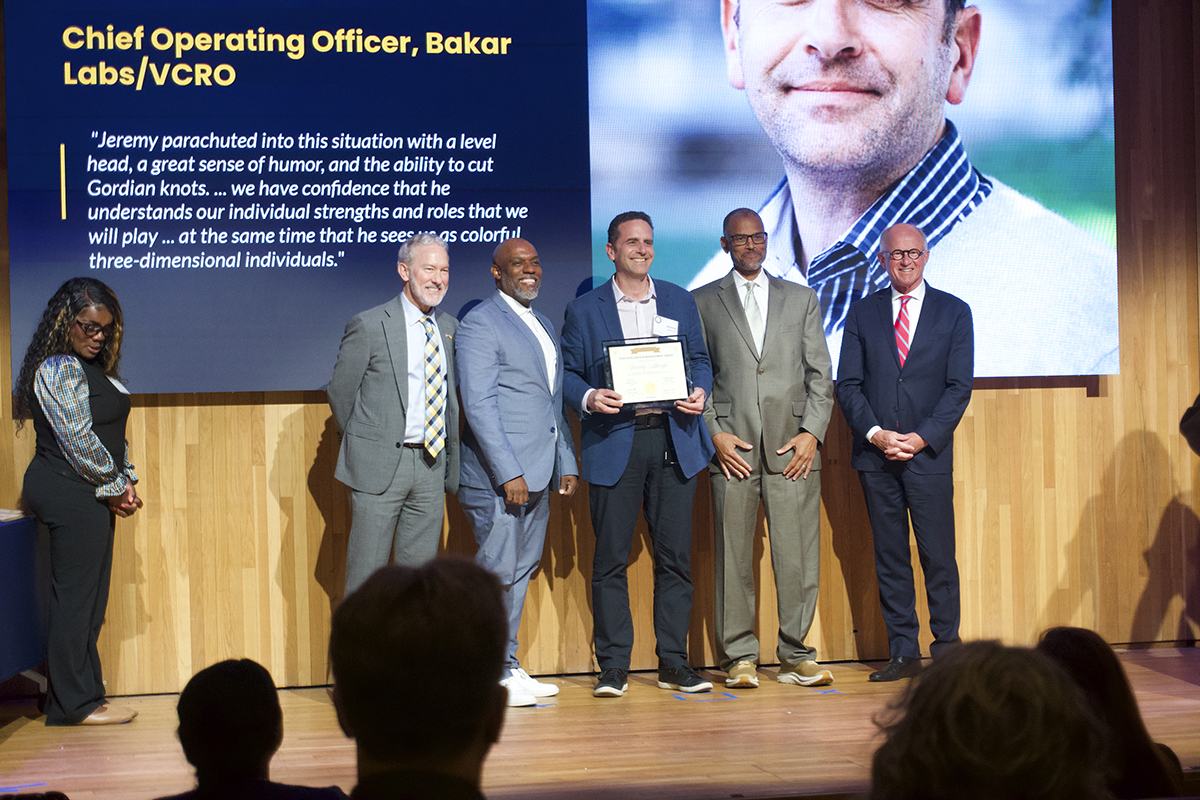
The newest BCAPP awardees offer innovative climate solutions with potential for global environmental impact. Read post Jeremy Alberga, Bakar Labs and QB3 COO, receives UC Berkeley’s Excellence in Management Award
During a period of rapid growth, Alberga leads with both vision and warmth Read post
Futuristic deep tech companies from Bakar Labs on display at SF Climate Week
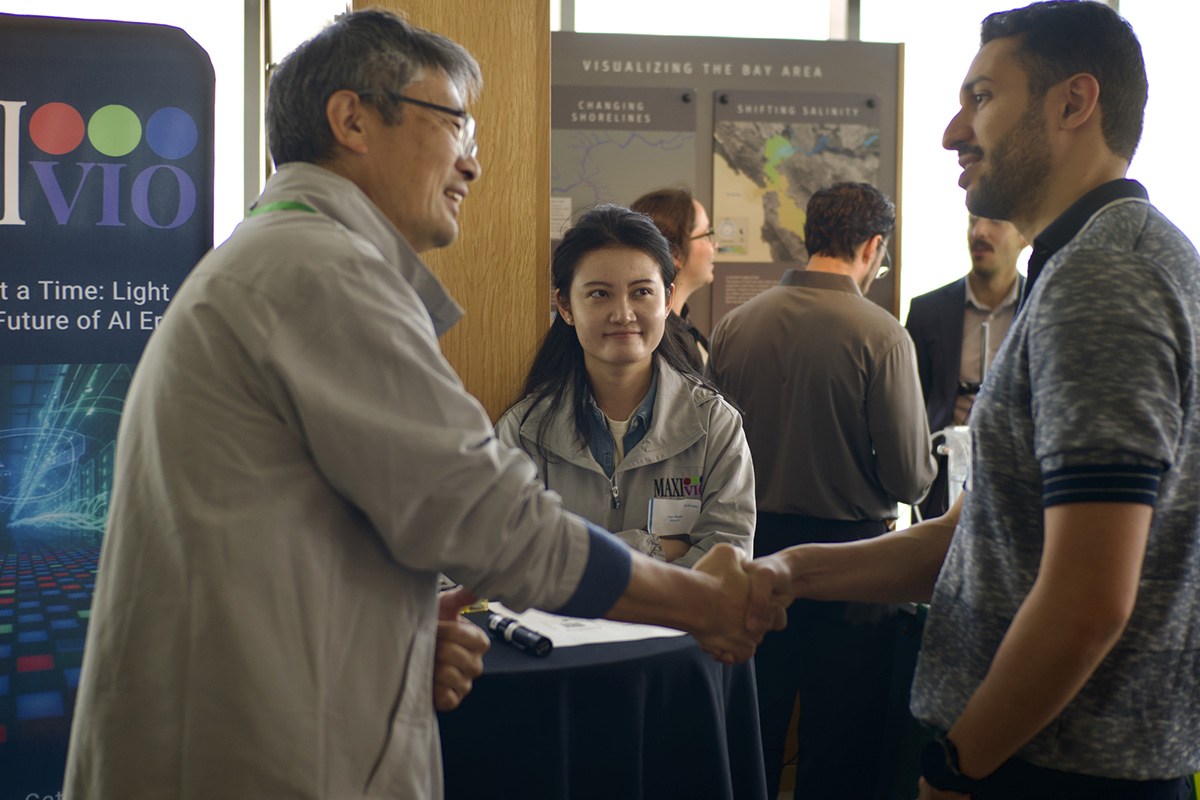
Cutting-edge startups offered an up-close look at their technologies during an expo “from the future.” Read post In major milestone, one billion dollars raised by Bakar Labs startups
At Bakar Labs, scores of companies found a stable launchpad for innovation and growth. Read post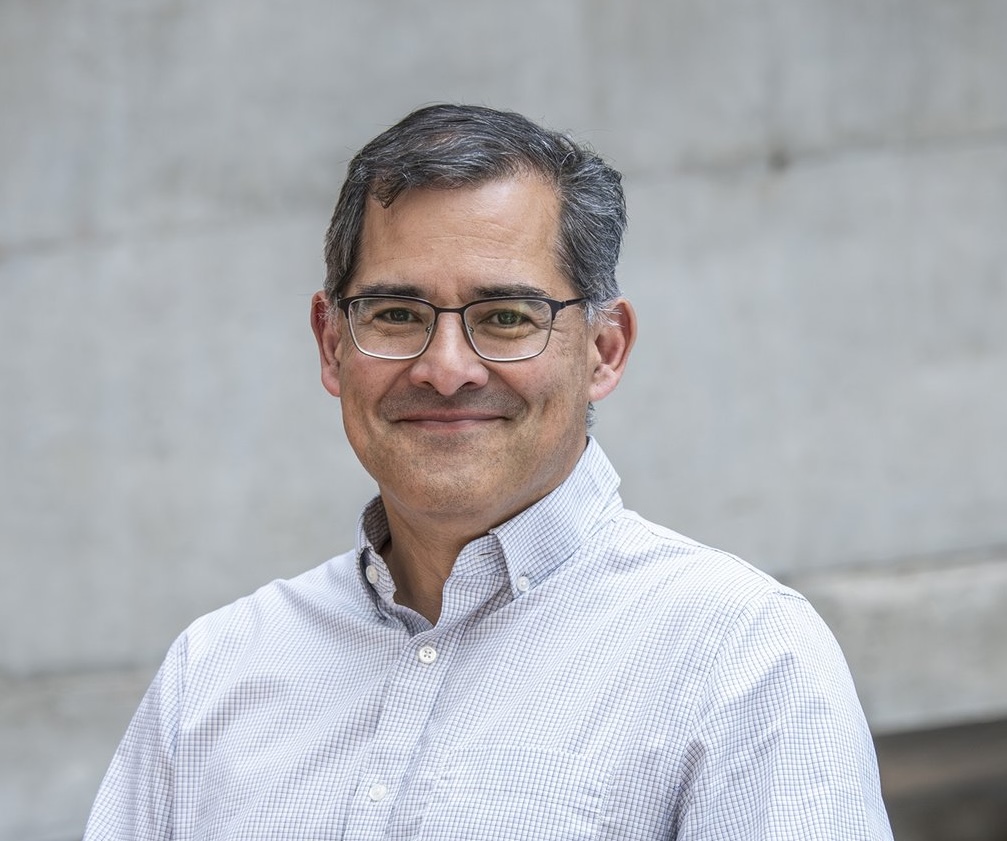
Startups from UC Berkeley incubator cross $1 billion funding mark
SAN FRANCISCO BUSINESS TIMES – The early results are in — companies birthed or cradled at UC Berkeley’s four-year-old Bakar Labs have hit a cumulative funding mark of $1 billion, operators of the incubator say. The total includes money raised by 55 companies currently housed in the incubator or that have graduated to space of their own. Read post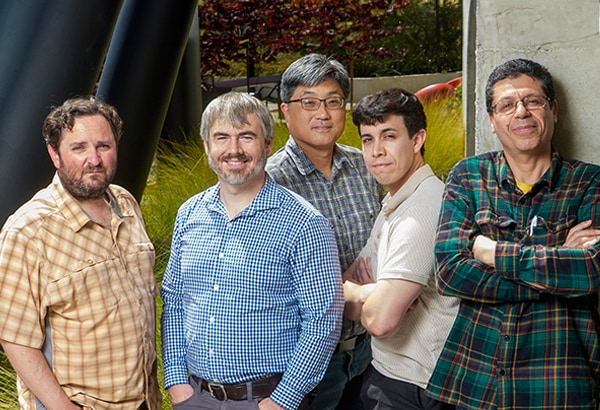
At UC Berkeley
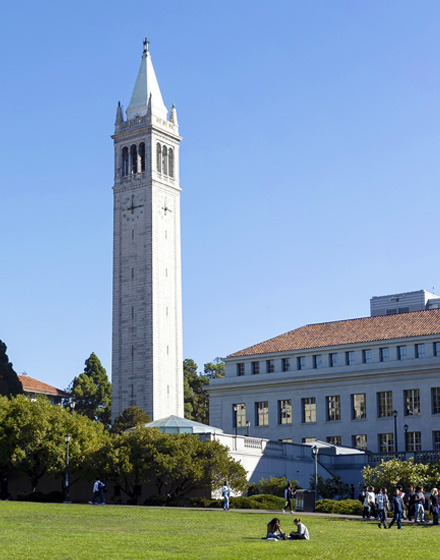
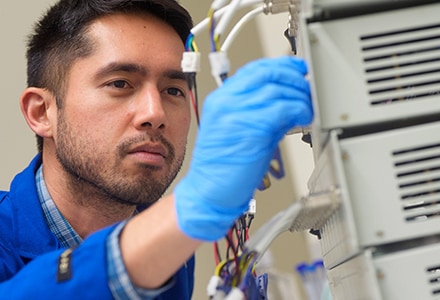
Bakar Labs for Energy & Materials sits at the center of UC Berkeley’s innovation ecosystem, with direct access to over 300 faculty in engineering, science, law, policy, and business—all advancing energy and materials research.
Just steps away are 40,000 students in top-ranked programs and a network of advanced core facilities. Startups can easily recruit top talent and collaborate with expert scientific co-founders.
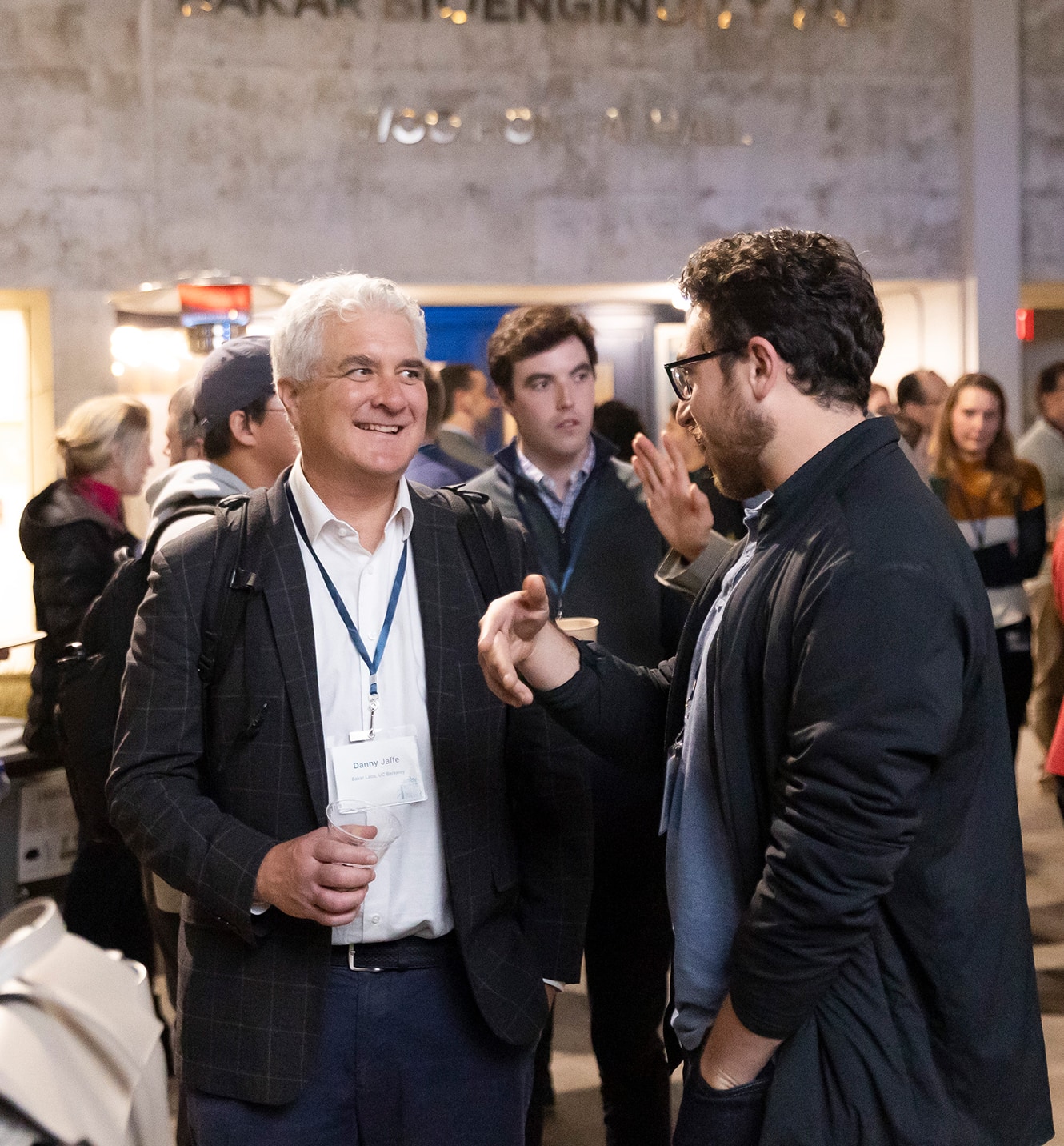
Today’s best startups blaze a trail all their own, but they don’t do it alone.
They build their support network to help them navigate the multiple challenges they face. At Bakar Labs for Energy & Materials, tenants join a community of as many as 75 like-minded teams willing to share the scientific and business insights that help them advance. The incubator spans more than 145,000 square feet of lab and office space.
Built for startups. For more than 20 years, QB3 has been the University of California’s center for innovation and entrepreneurship in life science and now energy & materials. Through pitch summits, seminars, symposia, podcasts, office hours, internships, and workshops QB3 educates, connects, and elevates the entrepreneurial ecosystem.